Venice is unlike any other city, and that difference can feel overwhelming on arrival. With no cars or roads and only canals, bridges, and narrow streets, transport works very differently here—and the choices you make can significantly affect your time, budget, and comfort.
Planning your transfers in advance helps you avoid long walks with luggage, confusing connections, and unnecessary costs, allowing you to start your trip smoothly and explore the city with ease.
TABLE OF CONTENTS:
1). Alilaguna Water Bus Airport Transfer
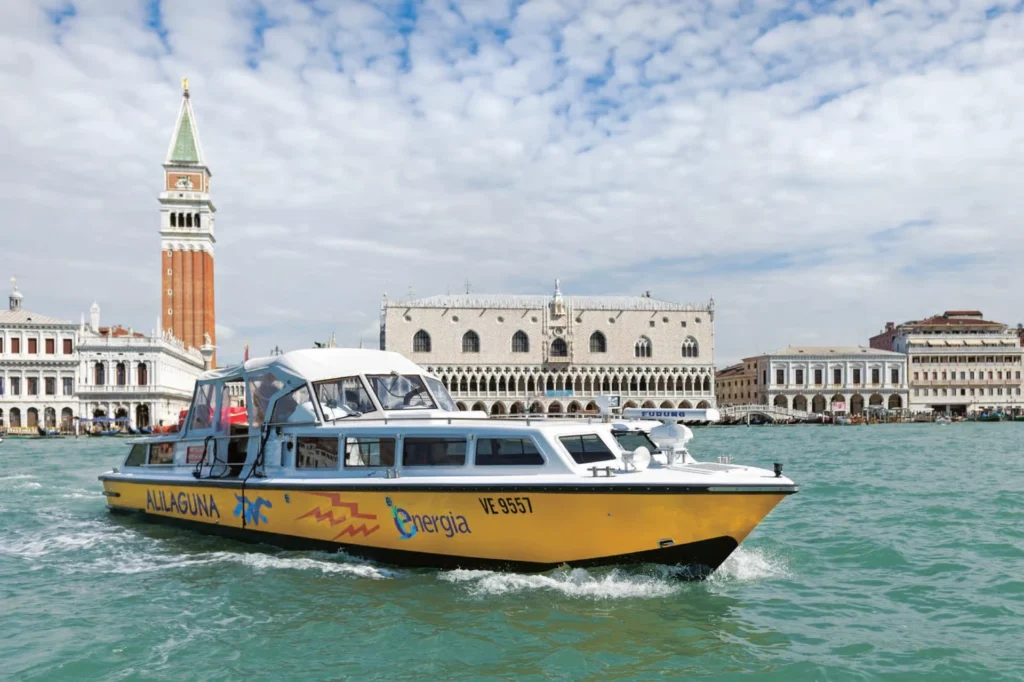
The Alilaguna water bus is a budget-friendly public transport option connecting Venice Marco Polo Airport to multiple stops across Venice, including popular areas like San Marco and Rialto (travel time typically 60–90 minutes). It runs on fixed routes and schedules, making it a reliable and scenic way to reach the city.
Although slower than taxis, it offers excellent value and eliminates the need for additional transfers. It’s best suited for those traveling light who don’t mind a slightly longer journey in exchange for lower costs and a direct introduction to Venice’s canals.
2). Shared Water Taxi from Marco Polo Airport
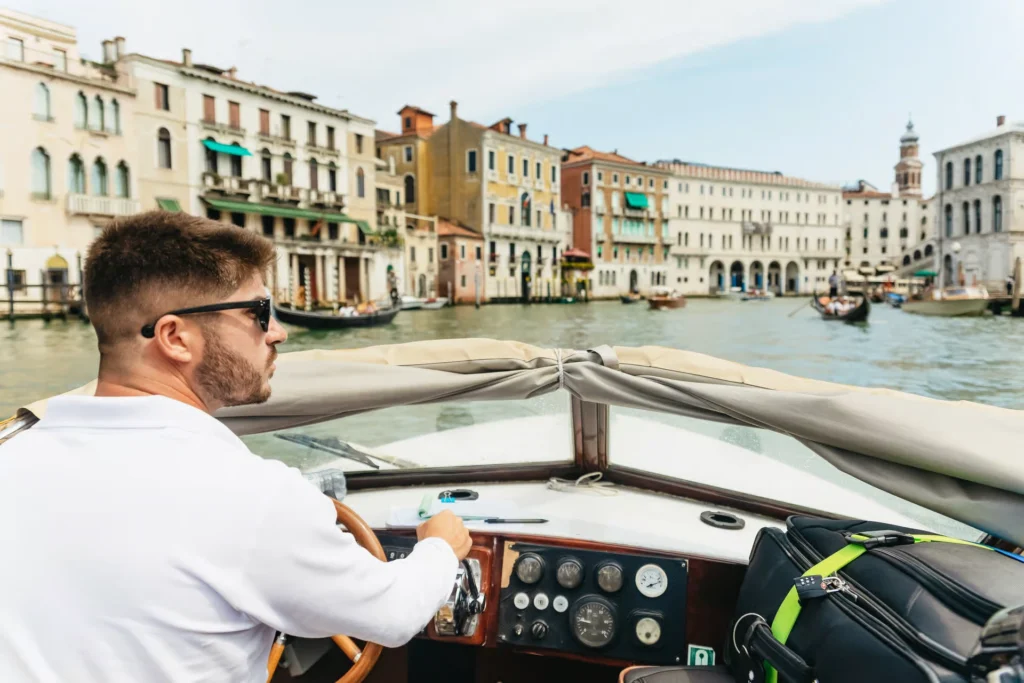
A shared water taxi offers a faster and more comfortable transfer compared to public options, taking you across the lagoon and dropping you near your accommodation (travel time around 30–50 minutes). It combines the experience of a private water taxi with a lower price by sharing the ride with a small group.
This option significantly reduces walking distances and eliminates the need to navigate transport connections, making arrival much smoother—especially if you’re staying deep within Venice’s historic center.
3). Bus Transfer to Piazzale Roma from Marco Polo Airport + Vaporetto

This combination is one of the most economical ways to reach Venice. A bus from the airport takes you to Piazzale Roma (the last point accessible by road), where you transfer to a vaporetto (water bus) to reach your final stop (total travel time varies depending on connections).
While it requires handling luggage during the transfer, it can save money compared to direct water routes. Piazzale Roma is also a key hub, making it easy to continue onward to different neighborhoods or islands.
4). Bus Transfer to Piazzale Roma from Treviso Airport
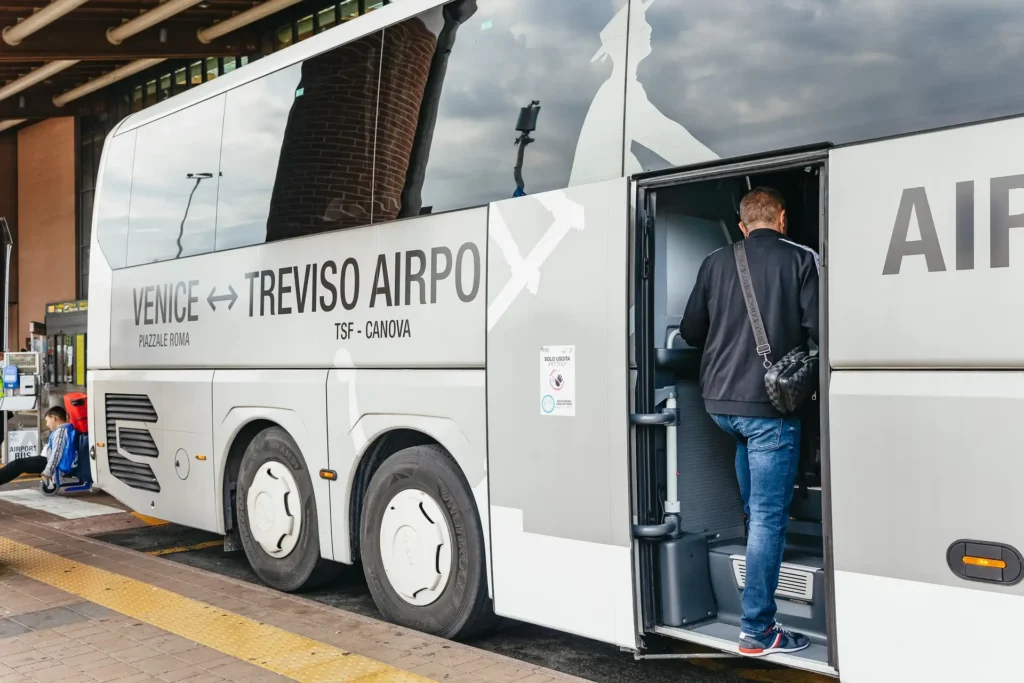
If you’re flying into Treviso Airport (often used by low-cost airlines), the ATVO express bus provides a direct connection to Venice and Mestre (travel time 45–70 minutes). The service runs in sync with flight arrivals and drops passengers at Mestre train station or Piazzale Roma.
Buses are air-conditioned, have dedicated luggage storage, and require no transfers, making this one of the most straightforward and cost-effective ways to reach Venice from Treviso Airport.
5). Vaporetto Pass for Venice Transport
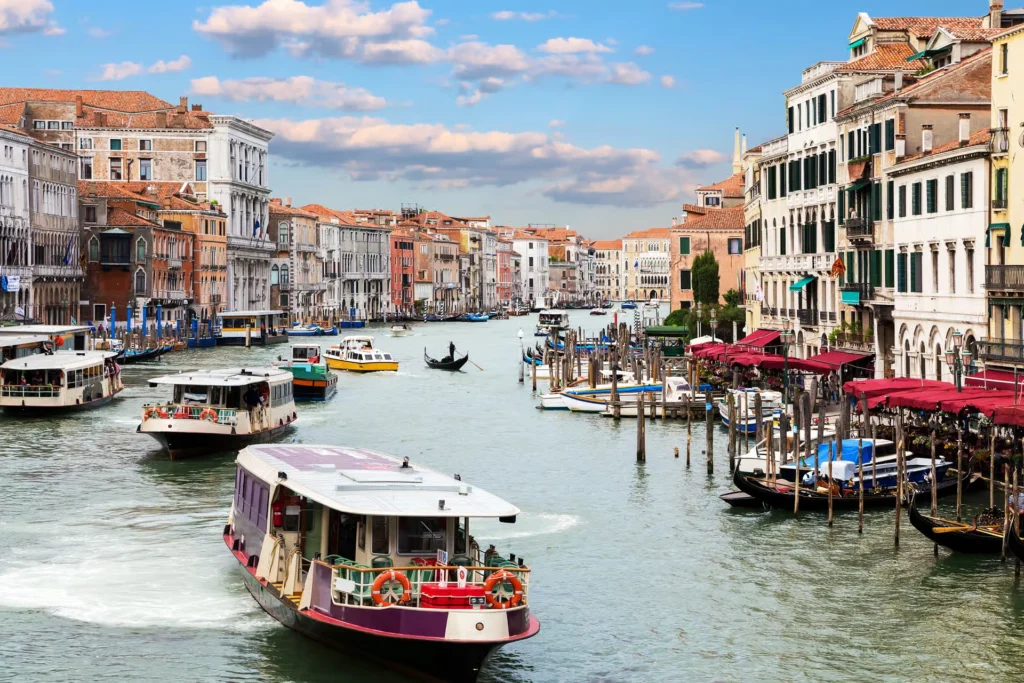
The vaporetto is Venice’s main public transport system, operating along the Grand Canal, around the city, and between nearby islands. A single ticket can be relatively expensive, so a time-based pass (valid for 24, 48, or 72 hours and beyond) is often better value if you plan to travel frequently.
The pass allows unlimited rides within the selected duration, making it ideal for sightseeing, especially if you plan to visit islands like Murano or Burano. It also removes the hassle of buying tickets repeatedly.
6). Murano, Burano & Torcello Island Boat Tour
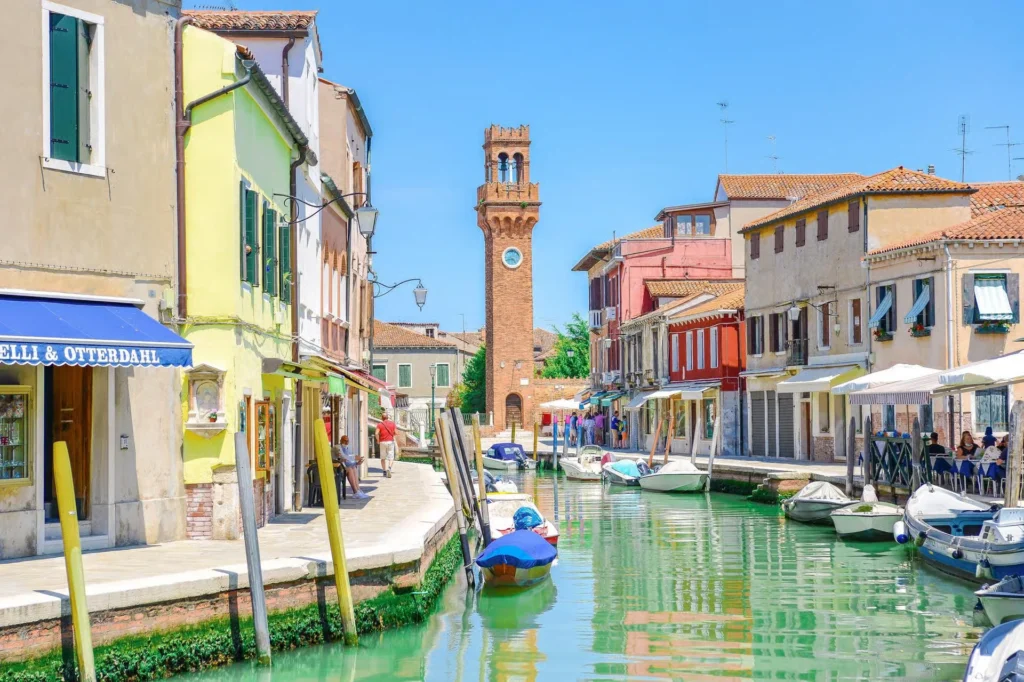
A combined Murano, Burano & Torcello boat tour brings together transport and sightseeing in a single organized experience, typically lasting around 4–5 hours for a half-day trip. You’ll visit Murano, known for its traditional glass-making, and Burano, famous for its brightly colored houses and relaxed atmosphere.
Torcello offers a quieter and more historical setting, home to one of the oldest churches in the Venetian lagoon and a glimpse into Venice’s early origins. Its peaceful environment provides a contrast to the more lively islands.
This type of tour simplifies logistics by combining multiple destinations into one planned route, saving both time and effort.
7). Venice Walking Tour Experience
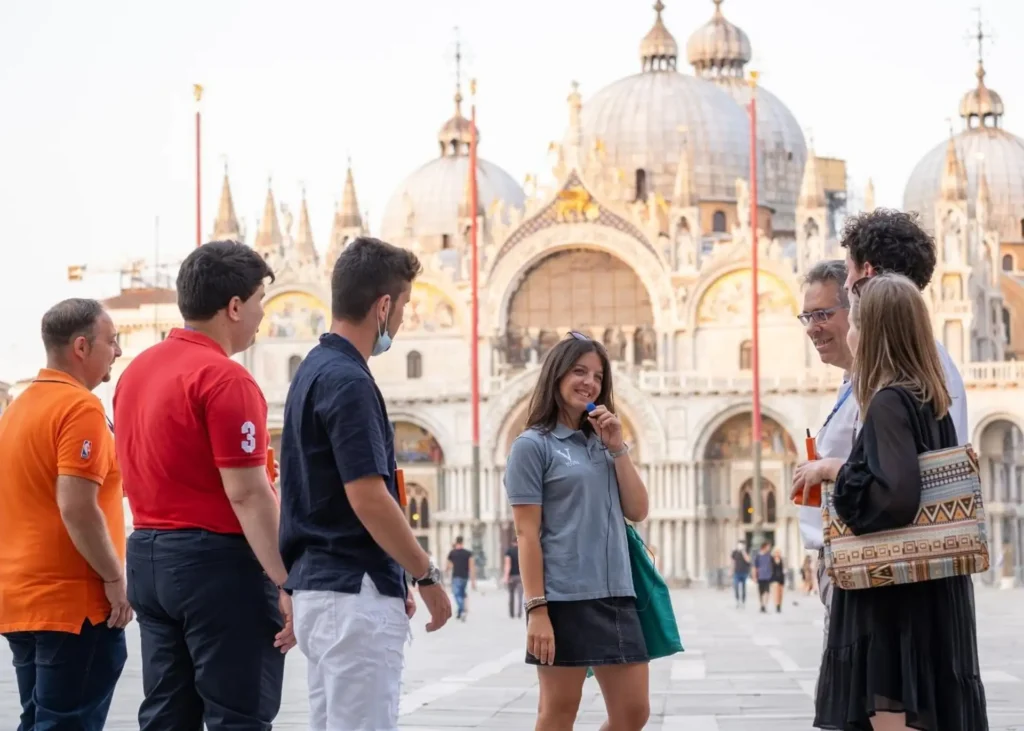
Walking is an essential part of exploring Venice, and a guided walking tour helps you navigate its maze-like streets while discovering key landmarks and hidden corners (typically 2–3 hours). Routes often include areas like St. Mark’s Square, Rialto Bridge, and lesser-known neighborhoods.
Beyond navigation, walking tours provide cultural context, local stories, and historical insights that enhance your understanding of the city, making the rest of your visit more meaningful.
Final Thoughts
Each transport option serves a different first-time traveller need: convenience and minimal effort, cost savings, or flexibility while exploring. By matching your priorities, whether minimizing walking and luggage stress, keeping costs low, or maximizing sightseeing time, you can avoid common mistakes and make the most of your time in Venice.
Selecting the right combination of airport transfer and local transport reduces fatigue and uncertainty so your visit feels organized and relaxed from arrival onward.